A well-chosen beard can instantly enhance your appearance and give you a more masculine, confident look. Whether you prefer a clean and polished style or a bold, rugged beard, the right shape can complement your face and personal style.
1. Full Beard
The full beard is the ultimate symbol of a strong, masculine look. It covers the cheeks, chin, jawline and upper lip evenly, giving the face more width, structure and presence. It takes time to grow properly, usually two to three months, but once it fills in, few styles look as bold and confident.
- Even coverage across the whole face adds strength to the jawline
- Suits oval, round and long face shapes when trimmed to the right length
- Can be kept short and tidy or grown longer for a more rugged style
The first few weeks are the hardest, since the beard can look uneven and feel itchy. Try not to trim too early. Letting it grow for at least four to six weeks gives patchy areas time to fill in before you start shaping.
Once it’s grown, keep the neckline about one to two fingers above the Adam’s apple and tidy any stray hairs on the upper cheeks. Wash it a few times a week with a gentle beard wash and apply beard oil daily to keep the hair soft and the skin healthy underneath.
A well-groomed full beard gives any man a powerful, mature look that feels confident in every setting.
2. Short Boxed Beard
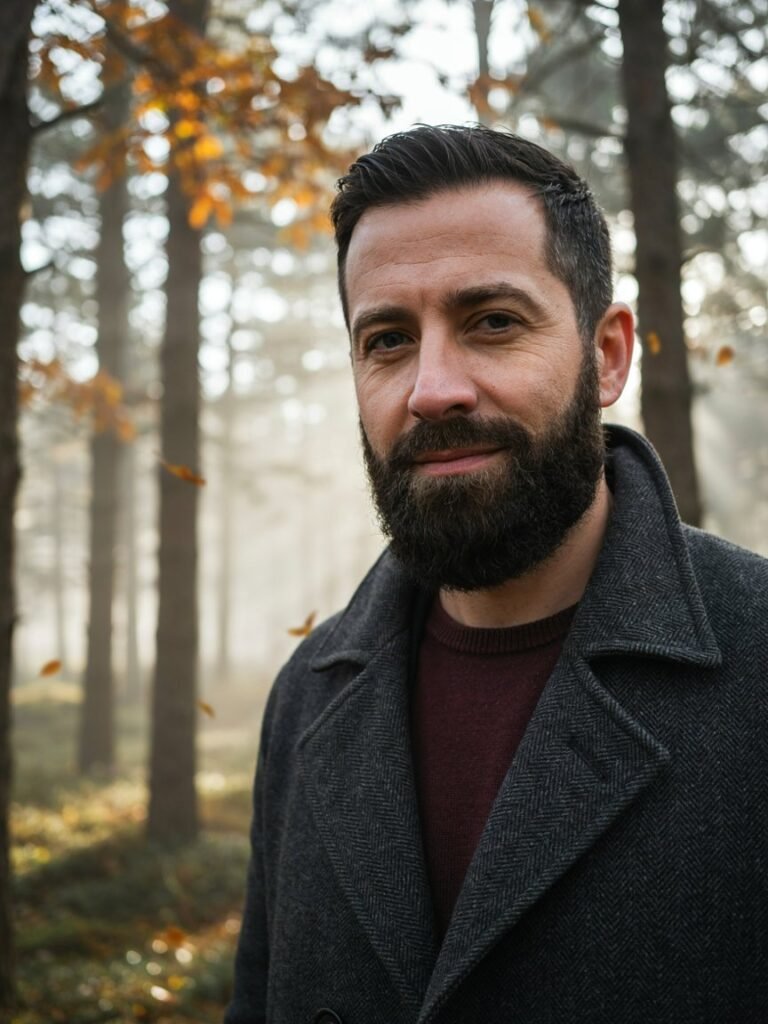
The short boxed beard is a favorite for men who want a beard that looks sharp every single day. It’s a full beard kept short, usually under half an inch, with crisp, defined edges along the cheeks and neck. The clean outline is what gives it that confident, structured finish.
- Clean edges make the jawline look stronger and more defined
- Short length hides minor patchiness and keeps the beard easy to control
- Looks right at work, at weddings and on casual weekends
A lot of men go wrong by setting the cheek line too low, which makes the face look wider. Follow your natural growth line and only remove the stray hairs above it. For the neck, imagine a curved line from ear to ear just above the Adam’s apple.
A good trimmer with adjustable guards is your best friend here. A quick trim twice a week keeps the length even, and a light beard balm stops the hair from sticking out in different directions.
For men who like things neat and under control, the short boxed beard is hard to beat.

3. Goatee Beard
The goatee is a simple way to add character to the face without committing to a full beard. It focuses the hair on the chin area, leaving the cheeks and jaw clean-shaven. Some men keep it on its own, while others add a light mustache to make it look fuller.
- Draws attention to the chin and gives the lower face more shape
- Makes round faces appear slightly longer and slimmer
- A smart option when cheek growth is thin but chin growth is strong
The width is what makes or breaks a goatee. If it’s too wide, it looks like an unfinished beard. If it’s too narrow, it looks thin and awkward. A good rule is to keep the sides roughly in line with the corners of your mouth.
Shave the rest of the face every day or two, since stubble around a goatee takes away from its clean look. Keep the goatee itself trimmed short to medium, and use a little beard oil so the hair doesn’t feel rough.
The goatee is a classic style that proves a small amount of facial hair can still make a strong statement.

4. Van Dyke Beard
The Van Dyke is a style with real history. It takes its name from Anthony van Dyck, the 17th-century Flemish painter often shown with it in portraits. It combines a chin beard with a mustache that doesn’t connect to it, and the cheeks are kept completely clean.
- Stylish and refined, with a slightly artistic and vintage feel
- The pointed chin adds length and balance to wider faces
- Works well for men who struggle to grow hair on the cheeks
The separation between the mustache and the chin beard is the defining feature, so keep the corners of the mouth shaved clean. Many men grow the mustache slightly longer and shape it with wax, while the chin beard is trimmed into a neat point or a soft taper.
It’s not a lazy style. The clean gaps and cheeks need attention every couple of days, otherwise the shape blurs and starts looking like a messy goatee.
If you want a beard that feels classy, distinctive and a little bit different, the Van Dyke is worth trying.
5. Stubble Beard
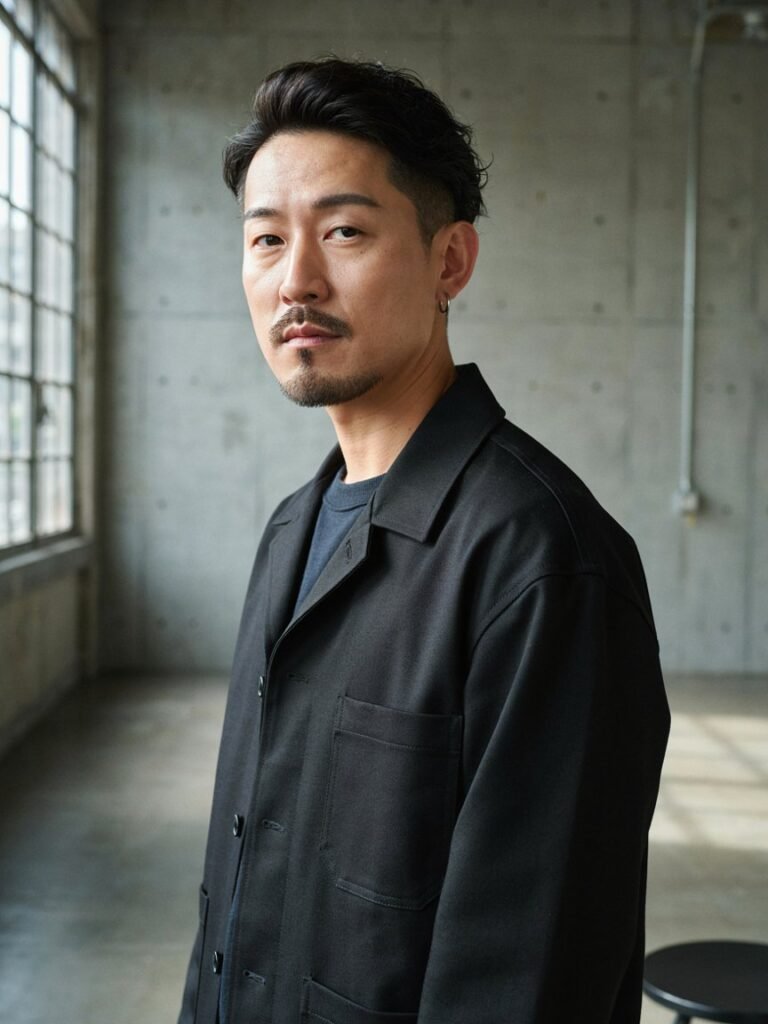
The stubble beard is the easiest way to look more rugged without growing a full beard. It’s usually about a week’s growth, kept at around 3 to 5 mm, and it gives the face a natural shadow that makes the jawline and cheekbones stand out.
- Quick to grow, usually within five to seven days
- Adds a masculine edge while still looking clean and neat
- A good choice for men with light or uneven beard growth
The line between attractive stubble and “forgot to shave” is grooming. Keep the length consistent with a stubble trimmer every couple of days, and shave the neck below the jawline so the stubble has a clear lower edge.
Stubble can also irritate the skin, especially if it’s new to you. A light moisturizer or a couple of drops of beard oil keeps the skin comfortable and stops the hair from feeling scratchy.
The stubble beard is a relaxed, confident style that fits almost any man and any situation.
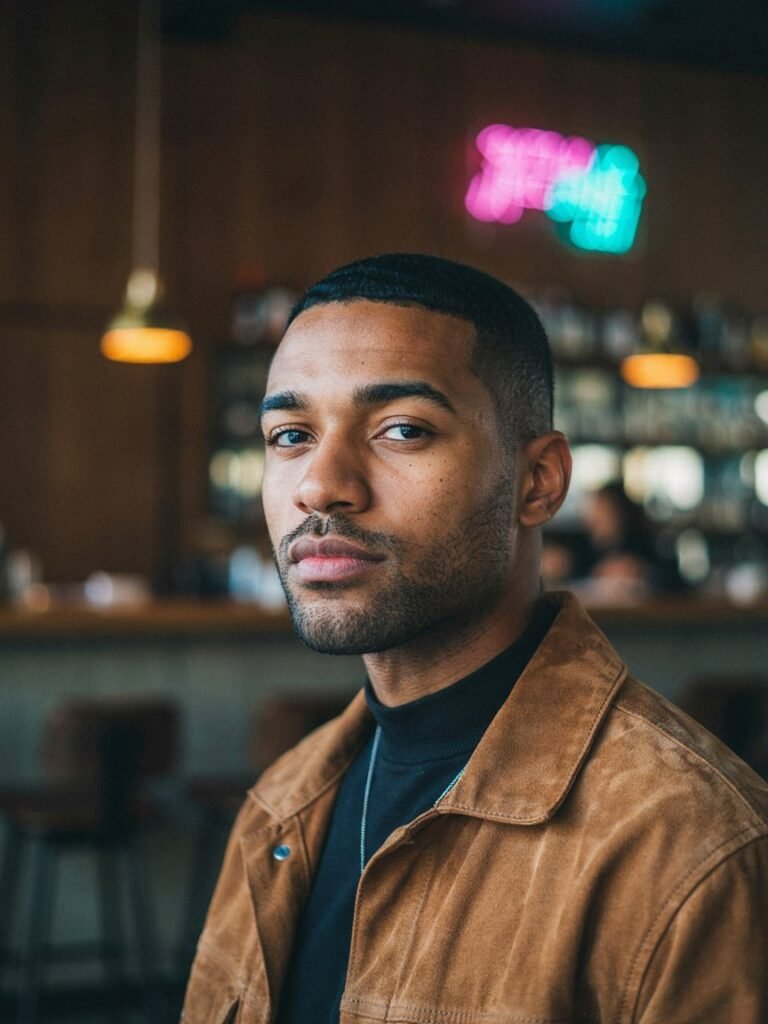
6. Beardstache
The beardstache flips the usual focus of a beard. Instead of the beard being the main feature, a thick, full mustache takes the spotlight, supported by short stubble or a closely trimmed beard around it. The result is bold, slightly retro and full of personality.
- A strong mustache gives the face instant character
- The short beard keeps the look modern and tidy
- Best for men who grow thick hair on the upper lip
Start by letting the mustache grow freely for three to four weeks, while trimming the rest of the beard short with a low guard. The contrast in length is what makes the style work, so don’t let the beard catch up with the mustache.
Trim hairs that hang over the upper lip so eating and drinking stay comfortable. A small amount of mustache wax shapes the ends and keeps everything in place through the day.
The beardstache is a fun, confident style for men who aren’t afraid to stand out a little.
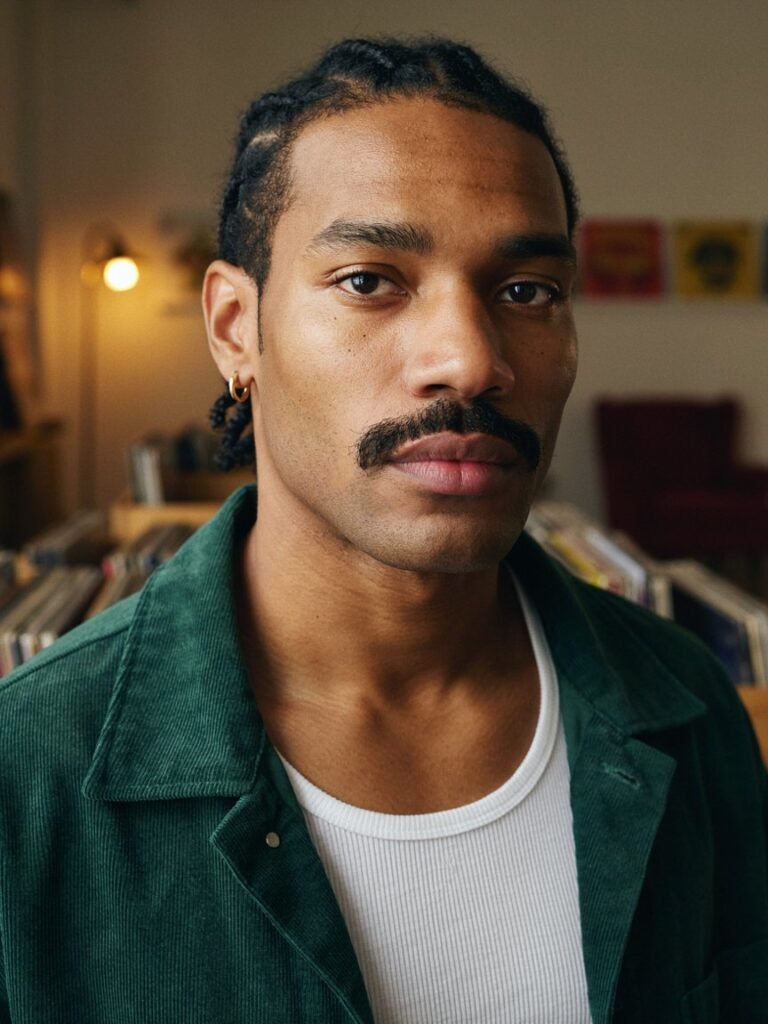
7. Corporate Beard
The corporate beard is designed for the professional world. It’s a full, short beard, usually kept around a quarter to half an inch, with a clean, carefully shaped outline. It looks masculine and mature while still fitting comfortably into a meeting room or office.
- Polished and professional without looking overly styled
- Suits nearly all face shapes and beard types
- Easy to keep sharp with a few minutes of grooming a week
The corporate beard should always look intentional. Uneven length, loose hairs on the cheeks or a fuzzy neckline are what separate a sloppy beard from a professional one. Trim the length every three or four days and tidy the edges once a week.
A beard brush in the morning keeps the hair lying flat and neat, and beard oil adds a healthy finish without looking greasy. A barber visit every few weeks helps keep the shape consistent.
For men who want a beard that works as hard as they do, the corporate beard is a safe and stylish choice.
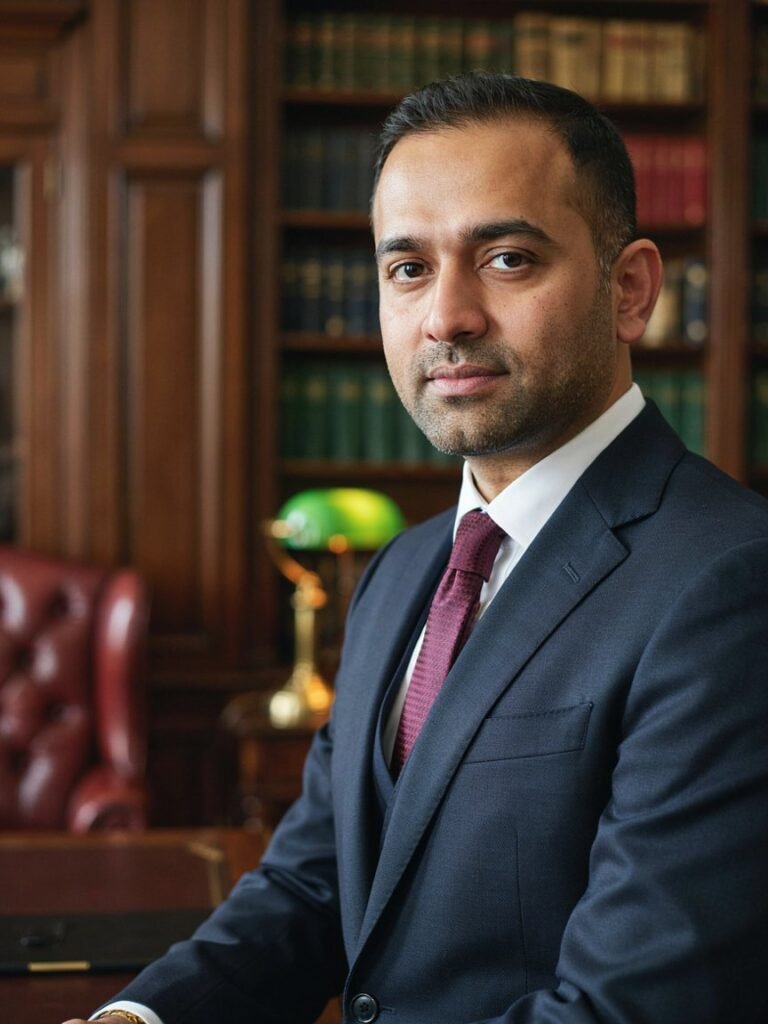
8. Garibaldi Beard
The Garibaldi is a big, full beard with a wide, rounded bottom and a mustache that blends into it. It takes its name from Giuseppe Garibaldi, the Italian general famous for his thick, natural beard. It usually grows to around six to eight inches.
- Gives a powerful, rugged and commanding appearance
- Balances long and narrow faces by adding width
- Needs thick, healthy growth across the whole face
This isn’t a beard you grow in a month. Expect at least six months of patience. During that time, avoid over-trimming and let the beard fill in naturally, only cleaning up the neckline.
Once it reaches a good length, shape the bottom into a rounded form and trim the mustache just enough to keep your lips clear. Long beards dry out easily, so daily beard oil and a boar bristle brush are essential to keep the hair soft and manageable.
The Garibaldi is a statement beard for men who want to look bold, natural and unmistakably masculine.
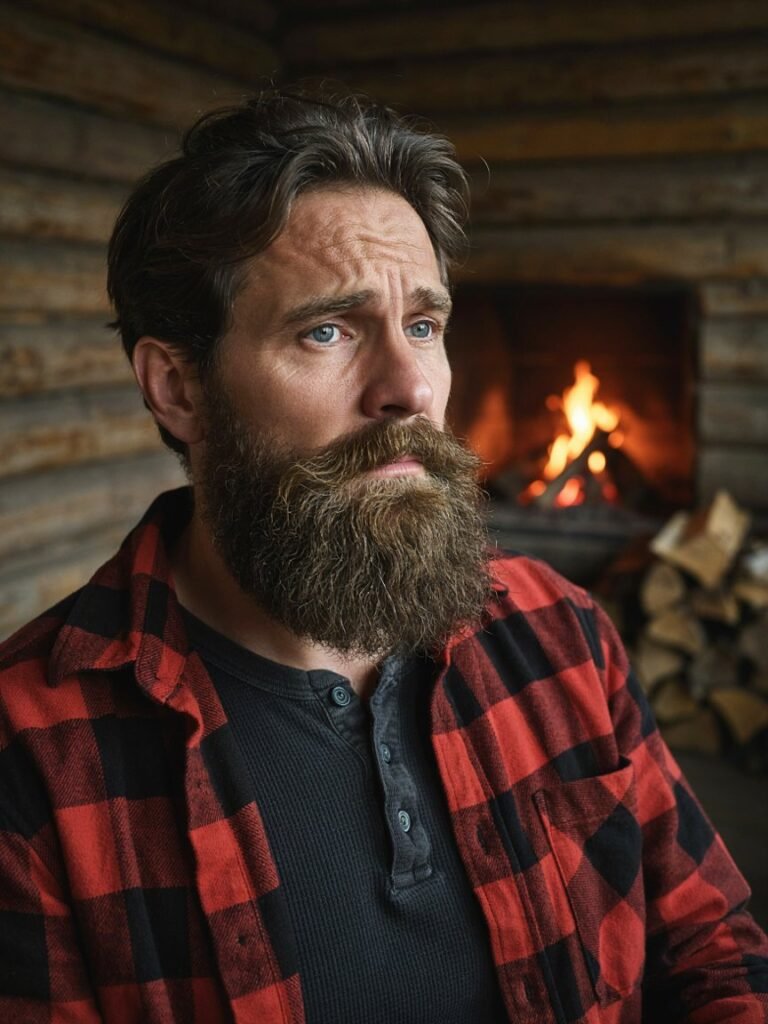
9. Balbo Beard
The Balbo is a clever style that gives the look of a beard without needing full coverage. It combines a mustache that floats on its own with a chin beard that extends slightly along the jawline, while the cheeks and sideburns are shaved clean. A small soul patch under the lip often completes the look.
- Adds shape and definition to a soft or narrow jawline
- Looks polished and noticeably different from everyday styles
- Great for men with patchy cheeks but good chin and mustache growth
The Balbo has several separate sections, so it needs a steady hand. Keep a clean gap between the mustache and chin beard, and shape the chin section so it runs a little along the jaw without reaching up to the ears.
A detail trimmer makes the job much easier. Tidy the edges every two to three days, and use a little wax on the mustache to keep it sharp.
The Balbo is a smart, stylish option for men who want a beard that looks carefully designed.
10. Anchor Beard
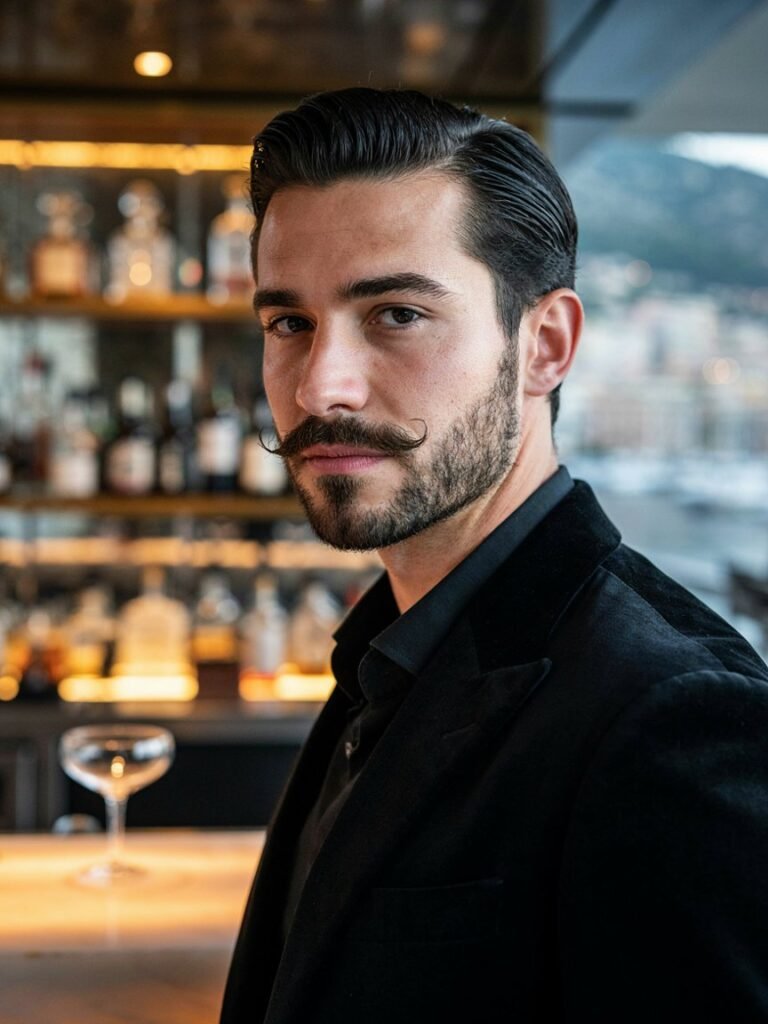
The anchor beard is shaped to look like a ship’s anchor, with a pointed chin beard that runs along the jawline and a slim mustache above it. There are no sideburns, and the cheeks are shaved clean, which keeps the whole shape sharp and angular.
- Creates strong, angular lines that sharpen the face
- Works especially well on round and square faces
- A great fit for men whose growth is strongest around the mouth
The point at the chin is the heart of this style, so shape it carefully and keep both sides symmetrical. The mustache can connect to the chin beard or stay slightly separate, depending on your preference.
Because the anchor depends so much on its outline, it needs regular maintenance. A trim every couple of days and a clean shave on the cheeks keep the shape crisp.
The anchor beard is perfect for men who want a sharp, eye-catching beard with plenty of attitude.
11. Chin Strap Beard
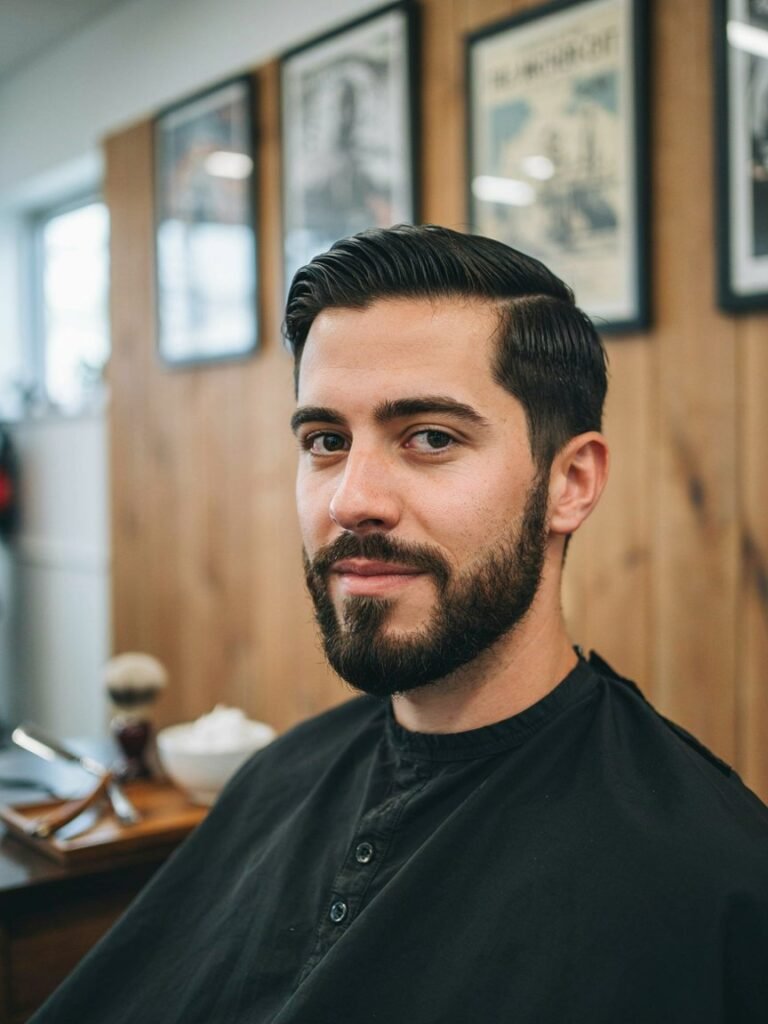
The chin strap is a narrow band of hair that runs along the jawline and under the chin, connecting one sideburn to the other. It’s usually worn without a mustache, which keeps the attention on the shape of the jaw.
- Outlines and strengthens the natural jawline
- Can make a round face look more structured
- A good option for men who can’t grow thick cheek hair
Precision is everything with a chin strap. The band should be even in width on both sides, usually between half an inch and an inch. Even small differences are noticeable, so take your time and check both sides in the mirror.
Trim every two to three days to keep the edges clean, and shave the cheeks and upper lip regularly. A detail trimmer or a good razor is essential for this style.
The chin strap is a clean, bold look for men who want to show off a strong jawline.
12. Mutton Chops
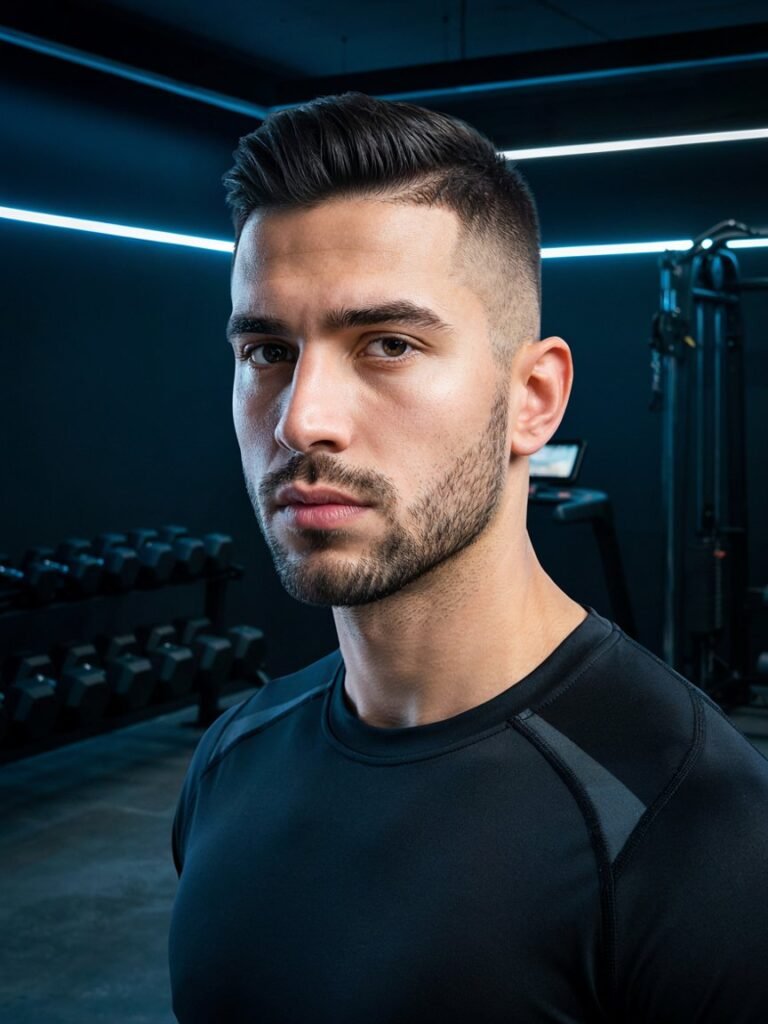
Mutton chops are thick, extended sideburns that run down the sides of the face to the corners of the jaw, leaving the chin clean-shaven. They were a big trend in the 1800s and still make a confident, old-school statement today.
- Adds width and presence to narrow or long faces
- Bold, vintage look with plenty of personality
- Best for men with strong growth along the sides of the face
You can wear mutton chops on their own or connect them to a mustache, a version often called “friendly mutton chops.” Either way, the chin must stay smooth so the shape of the sideburns stands out clearly.
Trim both sides evenly and shape the lower ends so they finish neatly at the jaw. A beard balm helps control volume and keeps the hair from puffing out too much.
Mutton chops are ideal for men who want a bold, unconventional style that turns heads.

13. Bandholz Beard
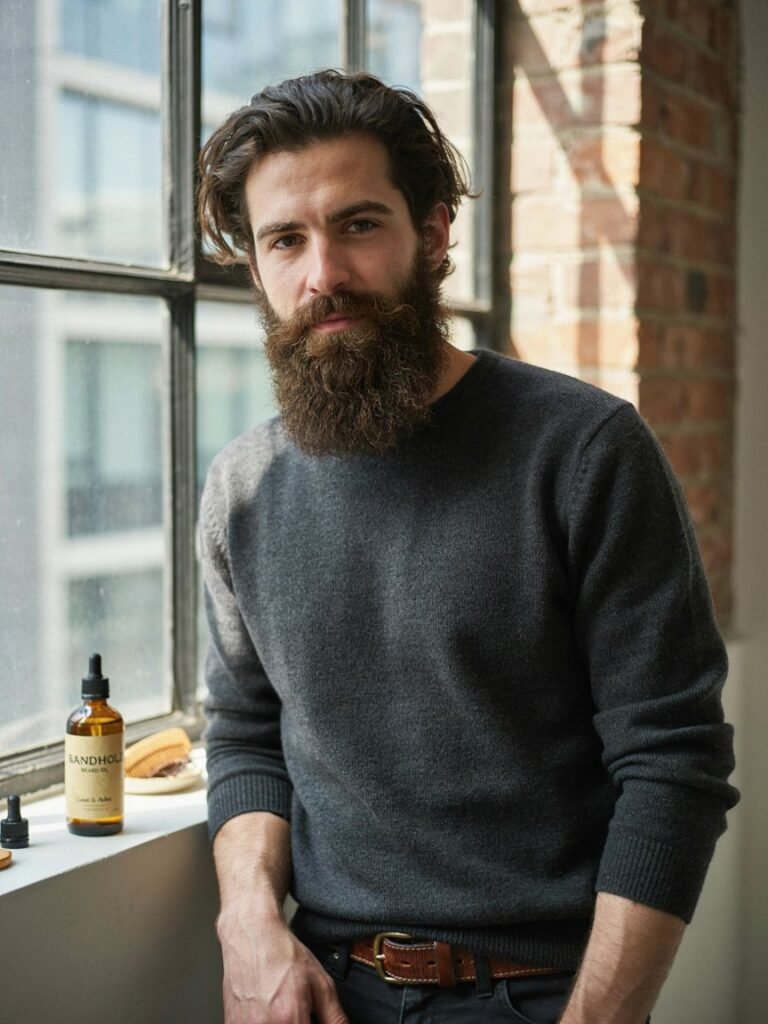
The Bandholz beard is named after Eric Bandholz, the founder of the grooming brand Beardbrand, who made this long, untamed style famous. It’s a full, thick beard with a connected mustache, grown long and left looking natural rather than carefully sculpted.
- Gives a strong, wild and confident appearance
- Works best on oval, oblong and rectangular faces
- Needs full, dense growth and a lot of patience
The key to the Bandholz is letting it grow. Most men avoid trimming for the first four to six months, allowing the beard to fill out fully. After that, only light shaping is needed to keep it from looking completely unkempt.
Long beards need proper care. Wash with a beard shampoo and conditioner, apply oil daily, and use a wide-tooth comb or brush to prevent tangles. Keeping the mustache clear of the mouth makes daily life much easier.
The Bandholz beard is the ultimate choice for men who want a big, natural beard with serious presence.
14. Faded Beard
The faded beard takes inspiration from the fade haircut. It starts very short near the sideburns and gradually gets longer through the cheeks, jaw and chin. The smooth transition makes the beard blend naturally into the haircut above it.
- Seamless link between the hair and beard for a modern finish
- Pairs perfectly with fade and undercut hairstyles
- Suits nearly all face shapes and beard lengths
Getting a clean fade usually needs a good barber, as the blending takes skill. Ask for the sideburns to be taken close to the skin and the length to increase gradually down toward the jaw.
To maintain it at home, use a trimmer with several guard sizes and work from short at the top to longer at the bottom. A touch-up every two to three weeks keeps the gradient smooth.
The faded beard is a fresh, modern style for men who want their haircut and beard to look like one complete look.
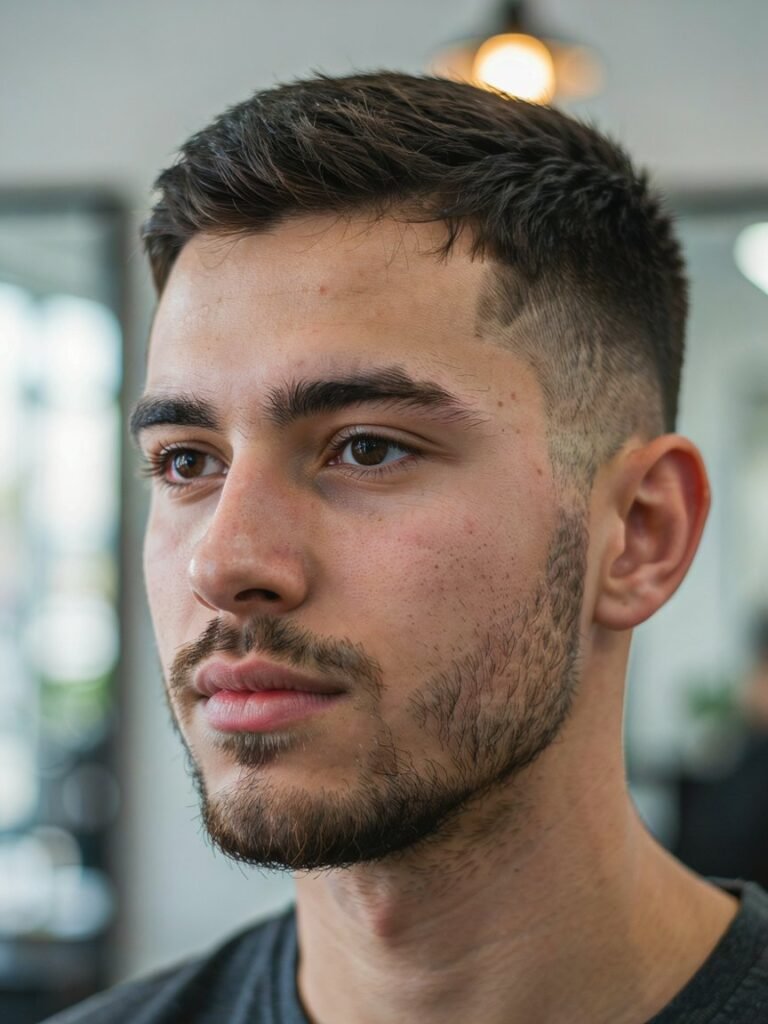
15. Ducktail Beard
The ducktail beard is a full beard where the hair on the chin is left longer and shaped into a point, much like the tail of a duck. The sides are trimmed shorter, which gives the beard a sleek, tapered shape.
- Adds length and structure to round and square faces
- Looks rugged but still well groomed
- Best for men with thick, full growth
Start by growing a full beard for at least two to three months. Once it has enough length, trim the cheeks and sides shorter and shape the chin into a gentle point. The contrast between the shorter sides and the longer chin creates the ducktail effect.
Brush the beard downward every day to train the hair, and use beard oil to keep the longer chin section soft and manageable.
The ducktail beard is a great option for men who want a longer beard that still looks sharp and shaped.

16. Designer Stubble
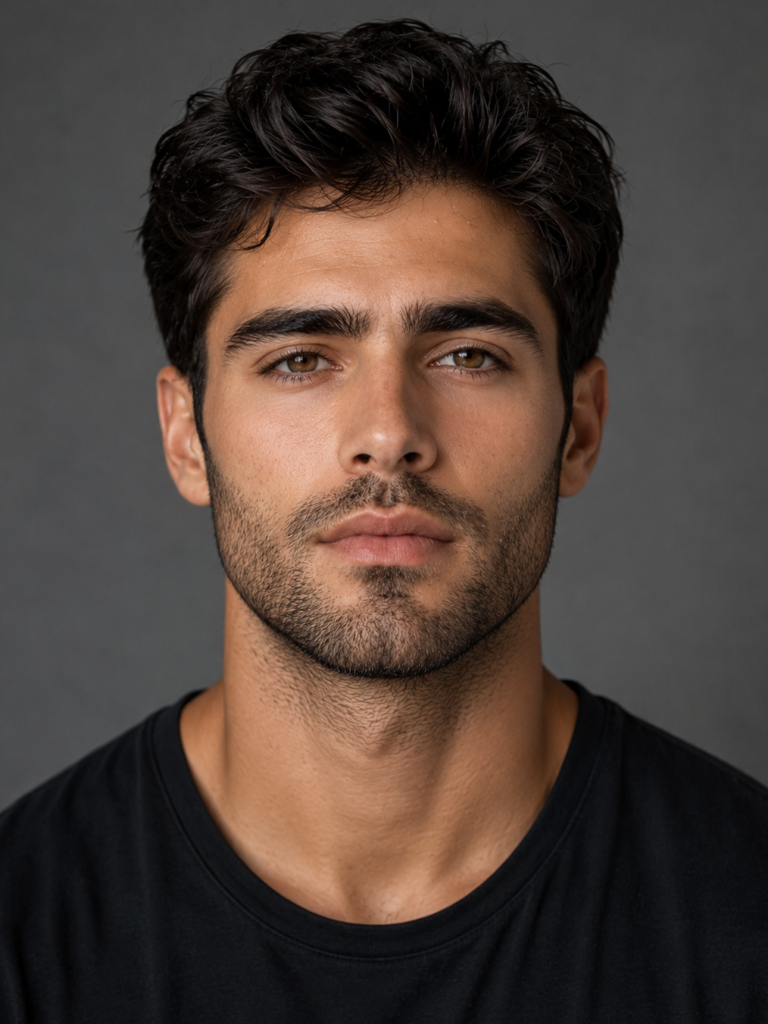
Designer stubble is the most refined version of short facial hair. It’s usually just two to four days of growth, kept at about 1 to 3 mm, with perfectly clean edges. It looks deliberate and stylish, which is why it’s often seen on models and actors.
- Adds subtle shadow and definition without looking scruffy
- Works for almost every face shape and skin type
- Ideal for men who want facial hair that’s barely there
What separates designer stubble from regular stubble is the grooming. The length must stay short and even, so trim every day or two. The cheek line and neckline should also be clean and sharp, giving the whole face a polished finish.
Because it’s so short, the skin underneath shows through, so good skincare matters. Wash your face daily and use a light moisturizer to keep everything looking healthy.
Designer stubble is the perfect choice for men who want a clean, modern look with just enough edge.
Conclusion
The right beard can completely change the way you look and feel. If you want something quick and easy, designer stubble, a stubble beard or a short boxed beard are great places to start. If you’re patient and have strong growth, the Bandholz, Garibaldi or ducktail can give you a truly commanding look. And for something with character, the Van Dyke, Balbo or anchor beard will always stand out.
Whatever style you pick, the basics stay the same: trim regularly, keep your lines clean, and look after both the hair and the skin underneath. A well-groomed beard, whatever its length, always looks more confident than one left to grow on its own.
Frequently Asked Questions
Which beard style is best for my face shape?
Round faces look best with styles that add length, like the goatee, Van Dyke, anchor or ducktail beard. Long or narrow faces suit wider styles such as the full beard, Garibaldi or mutton chops. Square faces work well with a short boxed beard or a corporate beard, while oval faces can wear almost any style.
How long does it take to grow a full beard?
Most men need two to three months to grow a proper full beard. Longer styles like the Garibaldi or Bandholz can take six months or more. Growth speed depends on genetics, so be patient and avoid trimming too early.
What is the best beard style for a patchy beard?
Stubble, designer stubble, the short boxed beard, the goatee, the Van Dyke and the Balbo all work well with patchy growth. These styles either keep the hair short enough to hide gaps or focus on areas where growth is stronger, like the chin and upper lip.
What beard style is most professional for work?
The corporate beard, short boxed beard and designer stubble are the safest choices for office and client-facing jobs. They look masculine but still neat and well groomed.
How often should I trim my beard?
Short styles like stubble and boxed beards need a trim every two to four days. Medium beards look best with a trim once a week, while long beards usually need shaping every three to four weeks. Clean up the neckline and cheek line regularly, whatever the length.
Do I really need beard oil?
Yes, especially for medium and long beards. Beard oil softens the hair, reduces itching and keeps the skin underneath from getting dry and flaky. A few drops a day after washing is usually enough.